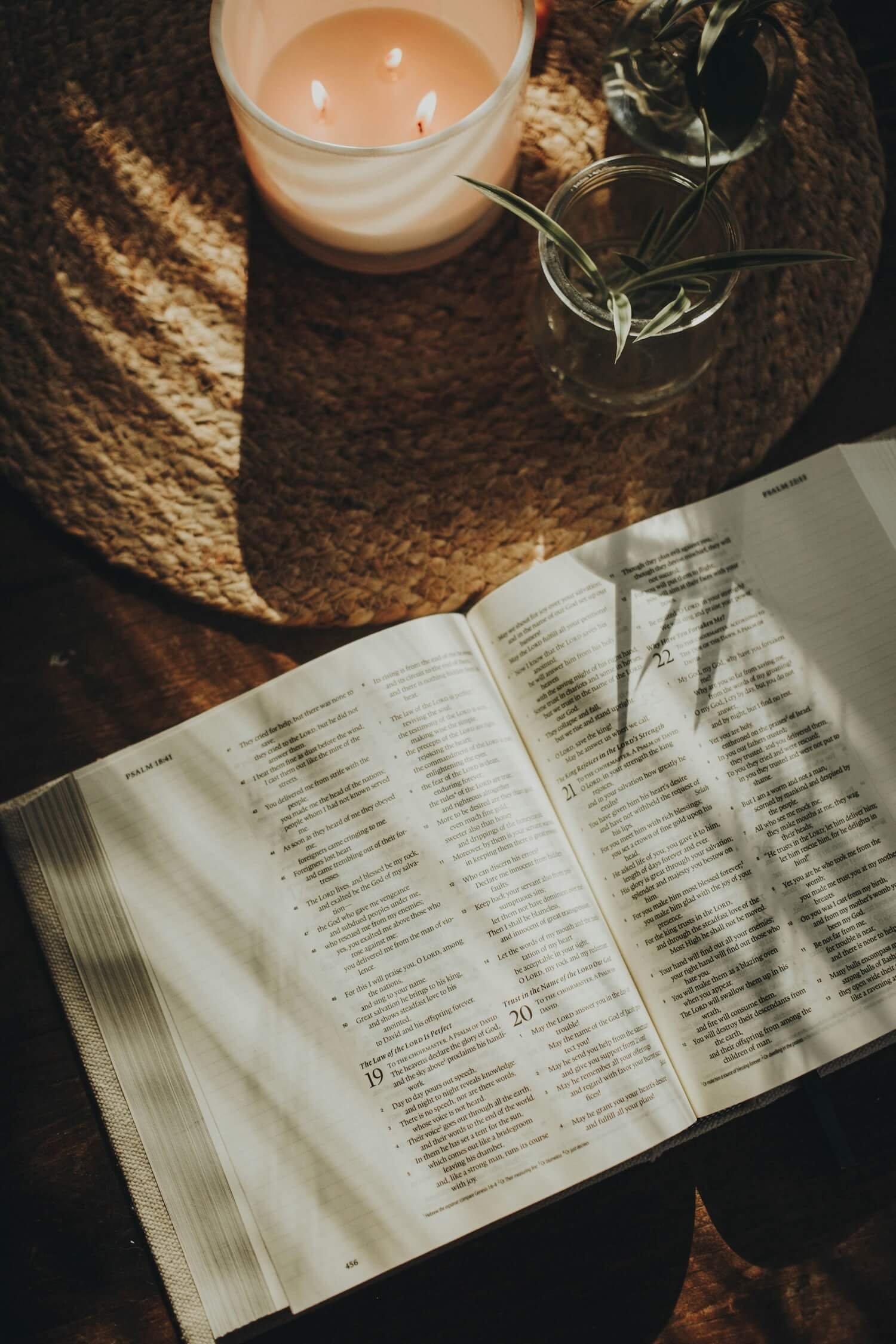
Permission to Feel, Permission to Trust
When was the last time you told God exactly how you felt?
Not the cleaned-up version. Not the version wrapped in a bow of “I’m fine.” But the raw, unfiltered truth—the ache, the anger, the joy, the confusion, the weariness, the hope?
For many of us, being emotionally honest—even with God—feels uncomfortable. We’re taught to present a composed face, to “stay strong” and keep our feelings in check. Somewhere along the way, we started believing that to be a good Christian meant suppressing doubt, fear, and frustration.
But then we open the Psalms.
And suddenly, we see something different.
The Psalms: A Mirror of the Human Heart
The Psalms are a collection of songs and prayers written by people who weren’t afraid to lay it all before God. David, Asaph, the sons of Korah, and others wrote with brutal honesty—sometimes soaring in praise, other times buried in despair. They asked hard questions. They wept. They rejoiced. They doubted. They trusted.
It’s a reminder: God can handle our full emotional selves.
Emotions Aren’t a Threat to Faith
Psalm 13 opens with David’s gut-wrenching cry:
“How long, Lord? Will you forget me forever? How long will you hide your face from me?”
That’s not neat or polite. It’s a man who feels abandoned, desperate for God’s presence. And yet, just a few verses later, David affirms:
“But I trust in your unfailing love; my heart rejoices in your salvation.” (Psalm 13:5)
He moves from anguish to trust—not because his situation changes, but because he brings his emotions to God instead of stuffing them down.
The Psalms teach us that emotional honesty is not the opposite of faith. In fact, it’s the very expression of it.
God Desires Your Whole Heart—Not Just the “Good” Parts
Psalm 34:18 says, “The Lord is close to the brokenhearted and saves those who are crushed in spirit.” That closeness isn’t conditional on how put-together you feel. It’s not offered only when you’ve fixed your attitude or masked your pain.
God wants the real you: the one who’s rejoicing, the one who’s doubting, the one who’s grieving, and the one who doesn’t have the words. The Psalms show us that our vulnerability invites intimacy with Him.
Learning to Lament
Our culture doesn’t always give space for lament. We want quick fixes, positive vibes, and tidy endings. But lament is holy ground—it’s the space where pain and hope meet.
The Psalms give us language for lament.
Psalm 42 cries out: “Why, my soul, are you downcast? Why so disturbed within me?”
Yet even in the ache, it declares: “Put your hope in God, for I will yet praise him, my Savior and my God.”
Lament doesn’t mean giving up—it means choosing to trust even while acknowledging sorrow.
When You Don’t Know What to Say
Sometimes, our emotions are too tangled to articulate. In those moments, the Psalms can speak for us. Read Psalm 23 when you need peace. Psalm 91 when you feel afraid. Psalm 51 when you need forgiveness. Psalm 27 when you need courage. Psalm 139 when you feel unseen.
Let the words of ancient worshipers become your own. Let them give shape to your prayers and validate your emotions.
Permission to Be Honest
You don’t have to sanitize your soul before coming to God.
The Psalms show us that He meets us in our mess. That tears aren’t a failure of faith. That joy and grief can coexist. That trust can live in the same heart as uncertainty.
You’re allowed to feel it all—and bring it all to God.
Because He’s not afraid of your emotions. He’s not annoyed by your questions. He’s not disappointed in your doubt.
He’s near. He’s listening. He’s trustworthy.
So be honest. Be real. Be raw.
And like the psalmists before you—let that honesty lead you closer to the heart of God.